

The Good Life Isn’t What You Think!
The Goalposts Are Gorgeous and They Never Stop Moving!

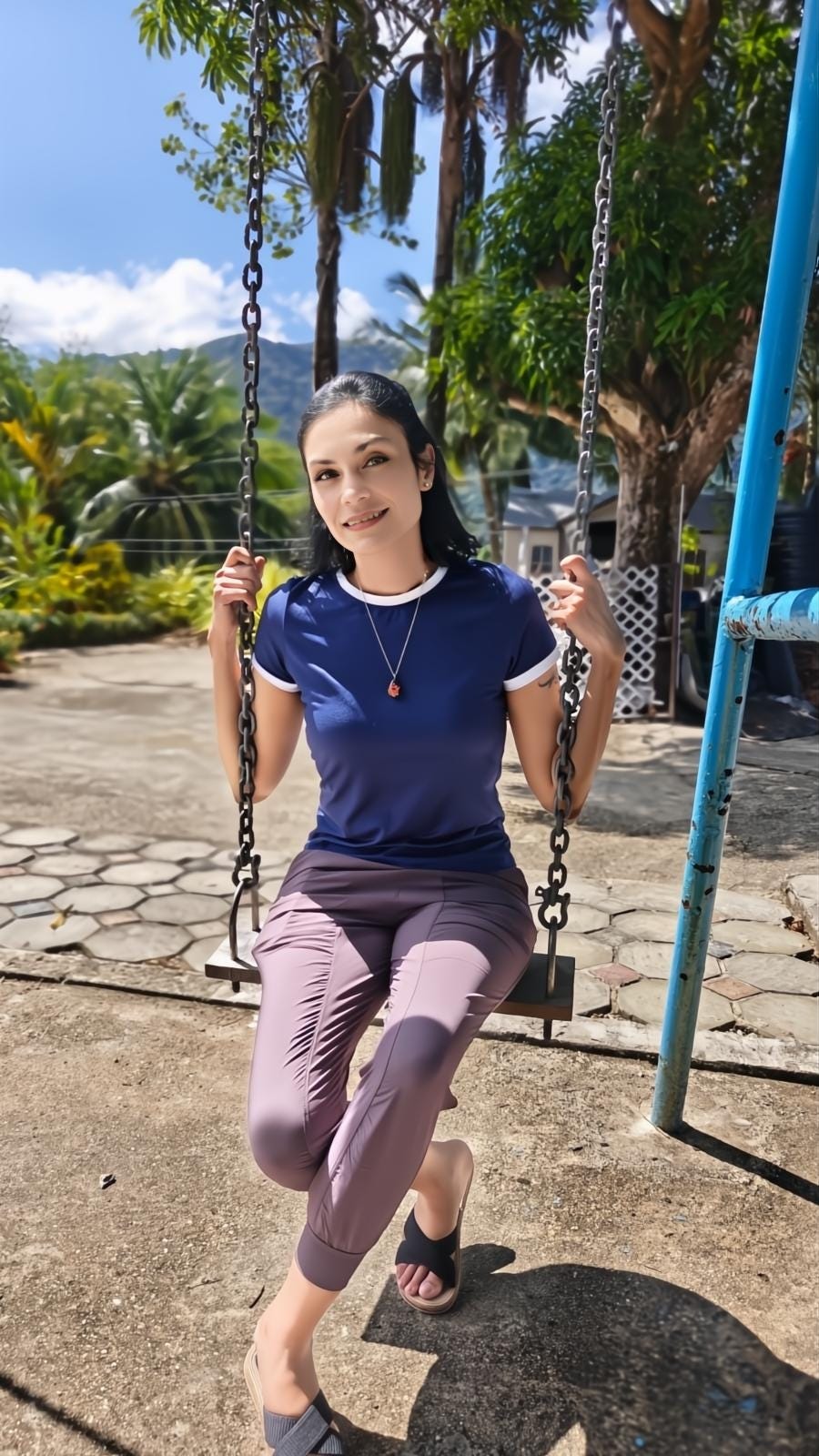
When I was a little girl in Trinidad, I had a very specific idea of what the good life looked like.
It looked like a standing fan that actually oscillated. A refrigerator that made ice without being asked. Parents who didn’t argue when the electricity bill came.
My auntie cleaned other people's houses for most of her working life. She got on her knees in bathrooms that were not hers and scrubbed until the tiles shone like something consecrated. She came home to bare cement floors and never, not once, said a bitter word about the distance between those two realities. I used to watch her and not understand. I think I'm only now beginning to.
Nobody told me that the good life smells like bleach and fried plantain. That it shows up in calloused hands and children who grow up just fast enough to remember everything, but not quite old enough to make sense of any of it. I filed all of it away anyway, the way children do, without knowing why.
Data Overload
I live in California now, which is its own kind of joke I'm still working out the punchline to.
I am a Trinidadian woman living in the land of green juice and men who list “prophet” as a personality trait. Out here, the good life is reclaimed wood. It’s therapy repackaged as self-optimization. It’s people signing emails “Sent from my Tesla,” without a trace of irony, as though the car itself is a spiritual endorsement.
I watch the goalposts move every single week — glittering and magnificent and completely unreachable — and everyone around me seems to be squinting toward them with great confidence, like they know exactly where they are. Meanwhile, I’m standing here thinking: am I the only one who can’t see them?
People talk about inner peace the way they talk about Peloton subscriptions. As though you can direct-debit your way to enlightenment. As though the monthly payment is the hard part.
And here’s the strange and embarrassing truth: even after all these years of working hard and building things and collecting the kind of bonuses I once would have considered science fiction, I still feel, sometimes, like the good life is running on someone else’s plan. I have unlimited data. But roaming charges apply.
Just Surviving
Depending on who you ask, the good life is a beach house, a pension plan, or a clutter-free inbox. For some, it’s waking up without dread. For others, it's just getting a text back from someone they actually love. The bar is everywhere and nowhere, and somehow we're all supposed to be clearing it.
I asked my friend Simone what the good life meant to her. She didn’t hesitate: “A day without pretending.” She works in DEI and spends most of her time smiling through bullshit. She once told me her job was 80% optics and 20% unlearning fragility in real-time. Her good life doesn’t need a vineyard view; it just needs her to stop explaining tone policing to another woke-adjacent VP who hired one Black intern and considers the matter largely settled.
My father, on the other hand, thinks the good life is being left alone. No calls, no texts. Just a bowl of curry goat and rice, cricket on the TV, and his feet up. He might be the wisest person I know.
We do love a formula, don’t we?
Study hard. Work harder. Acquire things. Repeat until satisfied or dead, whichever arrives first. And if you were lucky enough to be born into the right zip code, maybe the math works out without too much therapy. But for a lot of us, the good life has always felt like a group project where everyone else received the instructions two weeks early, and you showed up on the due date with glitter glue and a lot of heart.
The irony is that the good life is often sold to us by people who don’t live it. People who are so unhappy. People operating from a permanent sense of scarcity.
Influencers who meditate in Bali, then post affiliate links to collagen powder. CEOs who preach balance but schedule 6 AM all-hands calls and expect you to “bring your full self.”
Capitalism has always had excellent woo-peddlers.
Took a nap? Call it “rest culture.”
Drank water? You’re “prioritizing wellness.”
Didn’t check Slack after 8 PM? You’re a visionary.

We shouldn’t have to spiritualize basic needs just to make them feel valid. I don’t want to “romanticize my life,” I want a nap without guilt and groceries that don’t cost the GDP of a small nation. Those are not the same thing, and pretending they are is doing real damage to real people.
There’s a reason the phrase “cost of living” now feels like a threat. Every avocado toast and therapy co-pay is another reminder that surviving in late-stage capitalism requires both hustle and delusion.
And the better your life looks from the outside, the more people assume you’re fine. That you “got yours.” That you’ve arrived. They don’t see the panic attacks, the resentment, the voice in your head that whispers, “Is this it?”
But the strangest part of modern life isn’t just that we’re struggling.
It’s that we’re struggling in a world that keeps telling us we have more freedom than ever.
The Paradox of Choice
The real mindfuck is that we have more options than any generation in history, and somehow that’s made us more miserable. Barry Schwartz was onto something with his paradox of choice, but he didn’t go far enough. It’s not just about jam flavors or cable packages. We’re paralyzed by the infinite possibilities of who we could become.
Our parents had three choices. Teacher. Doctor. Disappointment. We have infinite choices, infinite identities, infinite selves we could potentially become, and the sheer burden of all that possibility can pin you flat to the floor.
I spent most of my thirties convinced I was one right decision away from the beginning of my real life. The right job. The right city. The right number in the bank.
The beginning never quite arrived. And then one day I looked up and realized: oh. This has been it, all along. This has been the life.
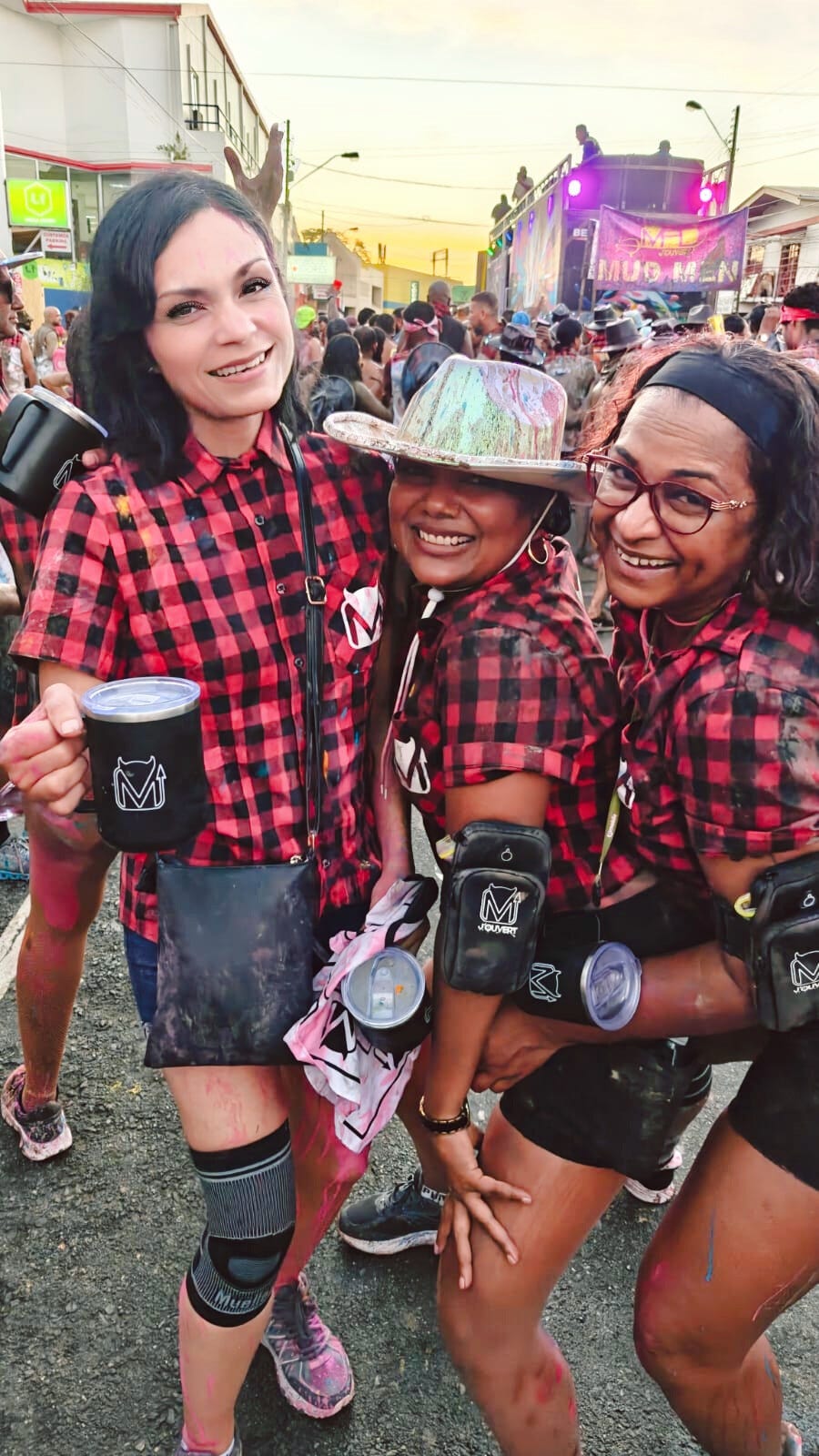
So here's what I believe now, after all the searching and the striving and the slow, humbling education of my own experience.
The good life comes down to three things: enough money to sleep well, enough time to think clearly, and enough love to feel connected. That’s it.
Enough money doesn’t mean being rich. It means not lying awake at 3 AM calculating whether you can afford groceries and rent in the same week. It means being able to visit my family and friends in Trinidad once a year. It means having a buffer between you and disaster.
Enough time doesn’t mean unlimited leisure. It means moments when you’re not rushing toward the next thing, when you can sit with your thoughts without feeling guilty about productivity. It means protecting your attention as a finite resource.
Enough love doesn’t mean romance novel passion. It means people who see you clearly and stick around anyway. It means belonging somewhere, even if that somewhere is just your own skin.
That's the whole list.
Everything else is well-marketed noise.
Thank you so much for reading.
Shout-out to Chason Forehand and Brenda McDonald for the caffeine.
Thank you so much!
I wrote a lot in the past two weeks - here is one of the articles published in Code Like A Girl

Smashing that ❤️ button or sharing this post keeps the wheels on this greasy squirrel wheel.
Being content is a lifelong challenge. The definition gets simpler as we get older but often harder to obtain.
The good life for me is, enough water to stay hydrated, coconut oil for smooth skin and E' being a toddler for a little bit longer. .
P.s.Y'all doesn't look a day past 35 in the picture.